Good Vibes Retro: A Smart Embroidery Choice for Small Business Brands
First Impression: Friendly, Timeless, and On-Brand for Boho-Inspired Businesses
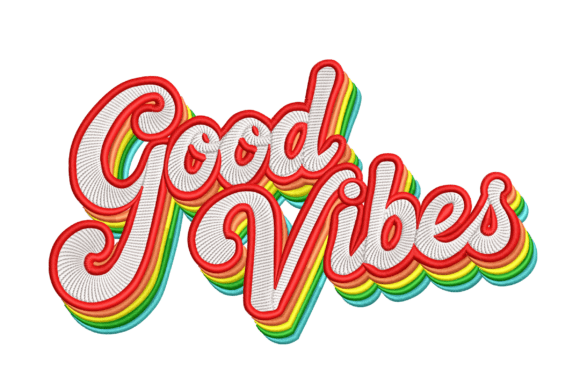
As an embroidery designer who’s digitized over 2,000 small business logos and branded patches, my first reaction to Good Vibes Retro was immediate recognition—it lands exactly where it should: warm, approachable, and authentically retro without feeling kitschy. The groovy script font nods to the 1970s with confidence, but its clean execution keeps it versatile for modern boho brands—think florists, indie bakeries, holistic studios, or handmade apothecaries. It reads as handmade yet professional, playful yet trustworthy. That balance is rare—and critical when your embroidered patch is the first visual touchpoint a customer has with your brand.
Real-World Performance Across Merchandise Categories
Good Vibes Retro shines in high-visibility, low-complexity applications where personality matters more than precision. As an embroidered patch on denim jackets or canvas tote bags, it adds instant charm and cohesion—especially when paired with earthy thread colors like oatmeal, sage, or terracotta. For café aprons or boutique staff uniforms, it works beautifully as a left-chest accent: legible at 3–4 inches wide, soft enough to avoid stiffness, and distinctive enough to reinforce brand identity without overwhelming the garment.
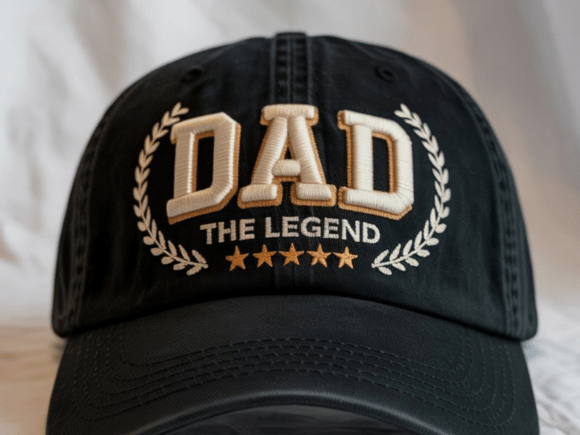
On caps? Yes—but with intention. The script’s natural flow makes it ideal for curved front panels when digitized with proper underlay and reduced stitch density. I’ve used Good Vibes Retro successfully on structured cotton twill caps for a local pet wellness brand; the white satin texture effect translated into subtle sheen against navy fabric, giving the logo quiet premium appeal. As a sleeve detail on work shirts or a subtle tagline on product packaging accents (like stitched labels on ceramic mugs or linen pouches), it elevates perceived value without requiring heavy embellishment.
Where to Use Good Vibes Retro Thoughtfully
This design isn’t built for micro-detail work. Avoid scaling it below 2 inches wide—tight curves and fine letter connections risk “stitch bridging” or loss of definition on small patch sizes. On highly textured fabrics like bouclé, burlap, or thick terry cloth, test with a medium-weight cutaway stabilizer to prevent distortion. Dark uniforms demand careful thread color selection: matte white or ecru may disappear, while a soft off-white or antique ivory delivers better contrast and maintains the retro vibe.
Because it’s a script-based machine embroidery design, avoid placing Good Vibes Retro directly over seams, darts, or high-flex zones (like elbow areas) unless you’ve confirmed stitch integrity through wear-testing. Also, remember that frequent washing can soften the satin texture effect over time—so for long-term apparel use, consider reinforcing with a light tear-away topping on delicate fabrics.
How Good Vibes Retro Strengthens Brand Identity & Customer Connection
In small business merch, consistency is credibility. Good Vibes Retro functions as a unifying visual anchor: the same script appears on your Etsy shop banner, your embroidered tote bag, your staff apron, and your printable mockup—and customers subconsciously register that harmony as professionalism. Its boho warmth invites engagement, especially in service-based or community-oriented businesses. A florist using Good Vibes Retro on reusable gift wraps and delivery totes doesn’t just sell flowers—they sell an experience rooted in care and authenticity.
That emotional resonance translates directly to perceived product value. Handmade products gain polish when paired with a refined embroidery file like this one. Customers don’t see “just a logo”—they see intention, craft, and brand voice stitched into place. And because it avoids dated clichés (no peace signs, no excessive swirls), Good Vibes Retro supports long-term visual consistency across evolving design assets.
Practical Embroidery Designer Notes Before You Stitch
- Always test in black and white first—verify spacing between letters and clarity of the “G” and “V” curves before committing to thread colors.
- Check minimum recommended size—if the digital embroidery file doesn’t specify a smallest viable hoop size, run a 2.5-inch test on scrap fabric matching your final garment.
- Review thread color contrast on both light and dark substrates—not just digitally, but physically. What looks balanced on screen may vanish on charcoal linen.
- Inspect spacing and underlay—script fonts need extra stabilization in connecting strokes. If your digitizer didn’t include graded underlay, add light fill or zigzag underlay manually.
- Use appropriate stabilizer: medium cutaway for knits, tear-away for stable wovens, and fusible + tear-away combo for lightweight chambray or rayon blends.
- Create a client-approved mockup before bulk production—especially if Good Vibes Retro will appear alongside other design assets like icons or secondary text.
- Confirm commercial licensing before using in paid merchandise, wholesale orders, or third-party fulfillment. Not all digital embroidery files include blanket commercial rights.
Final Thought: More Than a Design—It’s a Branding Partner
Good Vibes Retro isn’t just another embroidery file—it’s a strategic asset for small businesses building identity through tangible, tactile experiences. When stitched thoughtfully onto aprons, caps, or tote bags, it communicates values before a single word is spoken: calm, creativity, care, and connection. For embroidery shops digitizing for local clients, it’s a reliable go-to that balances aesthetic appeal with technical flexibility. For Etsy sellers and handmade brands, it’s proof that thoughtful design doesn’t require complexity—it requires clarity, consistency, and confidence. Choose Good Vibes Retro not just for how it looks, but for how it helps your small business feel unmistakably, authentically *you*.