Patchwork Embroidery: A Handmade Charm for Personalized Gifts
First Impressions: Warm, Whimsical, and Unmistakably Textile-Inspired
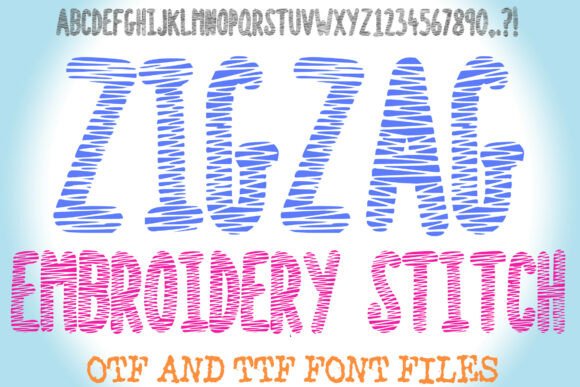
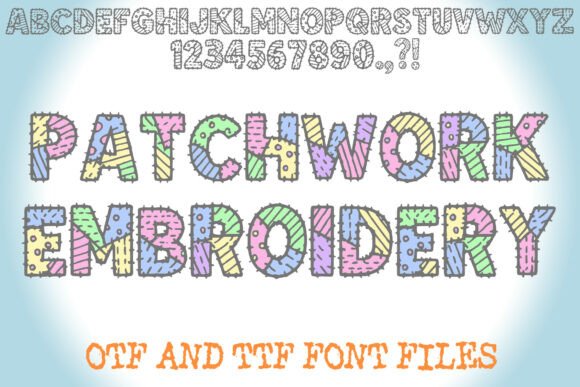
As an embroidery designer who’s stitched over 3,000 custom gifts—from newborn onesies to heirloom wedding towels—I opened Patchwork Embroidery with genuine curiosity. What struck me first wasn’t just its visual playfulness, but its emotional resonance: soft edges, irregular patch shapes, visible stitch lines, and that gentle, hand-sewn rhythm in every letterform. It doesn’t scream “digital font”—it whispers “crafted with care.” This is a Decorative typeface rooted in textile art, not typography rules—and that makes all the difference when you’re designing a handmade product meant to feel personal, tender, and one-of-a-kind.
Where Patchwork Embroidery Truly Shines
This isn’t a workhorse font for dense monograms or tiny tags—it’s a celebration font. Think of it as your go-to for moments that deserve warmth and intentionality:
- Baby embroidery: Names on organic cotton blankets, nursery wall hangings, or muslin swaddle labels—its softness mirrors the vulnerability and sweetness of early childhood.
- Wedding gifts: Monogrammed linen towels, embroidered pillow covers for the couple’s first home, or custom keepsake boxes—Patchwork Embroidery adds romance without formality.
- Family keepsakes: “Our Family” on a woven throw, sibling names on matching aprons, or “Est. 2024” on a quilt label—its patchwork motif echoes how families are lovingly pieced together.
- Nursery decor & embroidered towels: The font’s inherent tactility translates beautifully to terry cloth and linen—especially when paired with tonal thread and minimal backing.
- Tote bags, aprons, and personalized home decor: It elevates everyday items into curated, giftable objects—perfect for craft fairs or Etsy listings where handmade presentation builds buyer trust.
Real-World Embroidery Considerations
Let’s be practical: Patchwork Embroidery invites creativity—but also demands thoughtful execution. Its charm lives in detail, so here’s what I’ve learned stitching it across dozens of fabric types:
- Small lettering? Proceed with caution. Below 1.5 inches tall, delicate patch outlines and interior stitch lines may blur or vanish—especially on textured towels or thick fleece. For baby embroidery on stretchy knit onesies, stick to larger applications (e.g., full-name placement on a blanket corner).
- Fabric texture matters deeply. On smooth cotton poplin or linen, every patch edge reads clearly. On heavy terry, looped fleece, or dark denim, contrast becomes critical—test thread colors against your base fabric before finalizing. Light ecru on navy? Yes. Pale yellow on charcoal? Not always.
- Stabilizer choice is non-negotiable. Use medium-weight cutaway for stable fabrics like canvas or quilting cotton; switch to tear-away + light spray adhesive for lightweight linens. Skip basic tear-away alone—it won’t support those intricate internal stitches.
- Washing durability starts at the hoop. Because Patchwork Embroidery mimics hand-stitching, dense fill areas benefit from secure hooping and consistent tension. Always wash-test a finished sample—especially for baby products or kitchen towels.
How It Elevates Your Handmade Business
For Etsy sellers and small shop owners, Patchwork Embroidery does more than decorate—it deepens connection. Customers don’t just buy a personalized gift; they buy the feeling of being seen. That handwritten warmth? It signals authenticity in a crowded digital marketplace. When a bride orders embroidered guest towels with her new monogram in Patchwork Embroidery, she’s not just choosing a font—she’s choosing a story. And that story shows up in product photography: soft shadows, visible texture, subtle thread variation—all reinforcing perceived quality and handmade value.
It also boosts buyer engagement. Shoppers linger longer on listings featuring this kind of intentional design. They imagine gifting it. They picture it in their home. That emotional resonance directly supports higher conversion and repeat orders—especially among customers seeking meaningful, non-generic keepsakes.
Smart Next Steps Before You Stitch
Before adding Patchwork Embroidery to your next batch of custom embroidery projects, take these simple, high-impact steps:
- Create a test stitch-out on your target fabric—even if it’s just one letter. Check how patch edges hold up and whether interior stitches register cleanly.
- Compare at least three thread color options under natural light. What looks balanced on screen may read flat in person.
- Test on similar fabric weight and stretch as your final product—don’t assume a successful run on cotton poplin guarantees success on bamboo jersey.
- Confirm hoop size compatibility. Some decorative fonts require larger hoops due to stitch spread—check the file details on Creative Fabrica.
- Review stitch density. If your machine struggles with dense fills, consider simplifying background elements manually—or pair Patchwork Embroidery with clean sans-serif accents for balance.
- Double-check licensing terms on Creative Fabrica. As a Fonts category item, usage rights for commercial embroidery and printable mockups vary—review before listing finished products.
A Final Thought for Crafters and Creators
Patchwork Embroidery isn’t about perfection—it’s about presence. It reminds us that the most cherished handmade products aren’t flawless; they’re full of quiet intention, visible effort, and human warmth. Whether you’re stitching a baby’s first name onto a cloud-soft blanket or embroidering “Love Grows Here” on a family garden tote, this Creative Fabrica embroidery design helps you translate heart into thread. Use it thoughtfully, test generously, and let its handmade charm do what it does best: make every personalized gift feel like it was made just for them.